Audiobooks Surpass 20% of US Publishing: Voice Actor Casting Trends
Advertisements
Audiobook market growth continues to transform the US publishing industry, introducing new opportunities for voice actors through diverse narration, celebrity casting, advanced production technologies, and specialized audio content.
Audiobook Market Growth is transforming the American publishing industry, creating new opportunities for voice actors and influencing how publishers approach narration and content production.
Changing consumer preferences, technological developments, and digital distribution platforms are encouraging publishers to explore innovative storytelling formats and more specialized approaches to casting.
This article examines four important trends shaping audiobook production, exploring their implications for professional narrators, casting directors, publishers, and emerging voice acting talent.
Audiobooks Surge: A New Era in US Publishing
Audiobook Market Growth reflects the increasing importance of spoken-word entertainment within the publishing industry, particularly as consumers explore more flexible ways to experience books.
According to the Audio Publishers Association's official industry research, audiobook revenue reached $2.43 billion in 2025, increasing by 9% compared with the previous year.
These results highlight opportunities for publishers and narrators, although increased industry revenue does not necessarily translate into equal employment growth across every market segment.
Market Dynamics Fueling Audiobook Growth
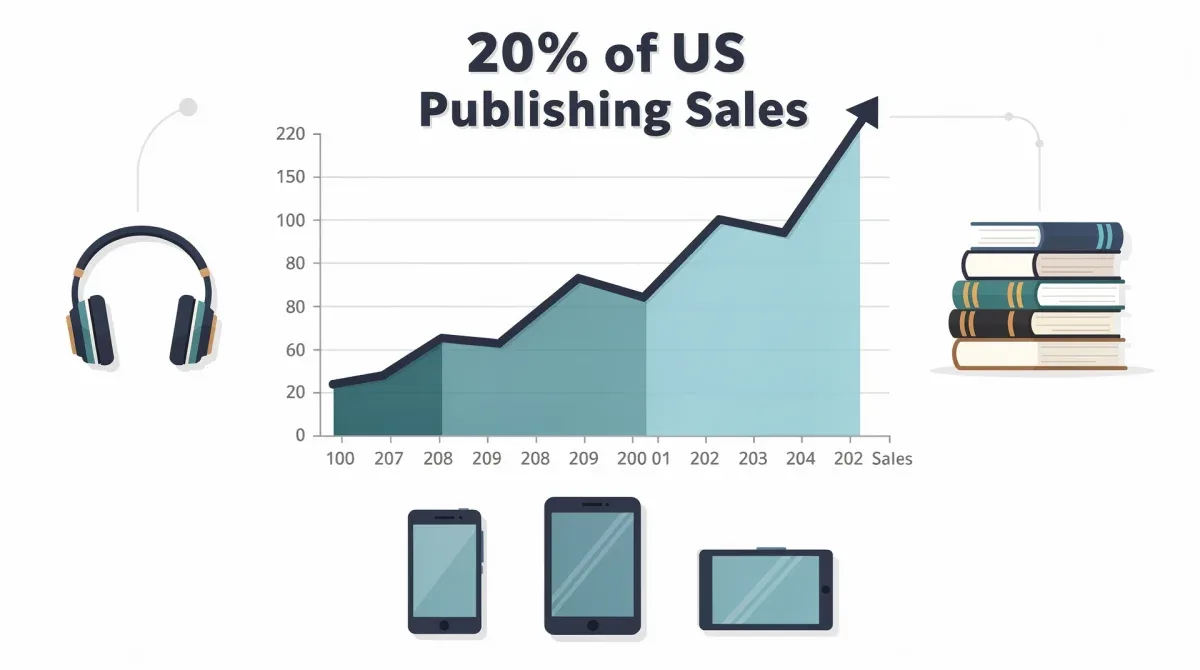
Technological advancements and consumer convenience contribute to audiobook adoption, while mobile devices and streaming services make spoken-word entertainment accessible across different environments.
Listeners can incorporate audiobooks into their daily routines during commutes, exercise, household activities, and other situations where traditional reading may be less practical.
Audiobook Market Growth also benefits from expanding digital catalogs, subscription services, and distribution models that offer consumers access to different genres and authors.
Changing Consumer Listening Habits
Digital platforms allow listeners to discover audiobooks through recommendations, previews, curated collections, and search features designed to simplify access to different literary categories.
Consumers can select narration styles, genres, and listening formats that match their individual preferences, creating opportunities for publishers to develop more distinctive audio products.
Understanding these habits helps production companies make informed casting decisions while identifying opportunities to improve accessibility and provide engaging experiences for different audiences.
Trend 1: Demand for Authentic and Diverse Voices
Audiobook Market Growth encourages publishers to consider a wider range of vocal characteristics when selecting narrators for stories featuring different cultural experiences and backgrounds.
Authentic performances can strengthen storytelling by helping listeners connect with characters, understand their motivations, and appreciate the cultural context surrounding particular narrative experiences.
Casting decisions should consider acting ability, linguistic accuracy, cultural understanding, and the specific requirements of each production rather than relying exclusively on vocal appearance.
Embracing Multilingual and Regional Accents
The linguistic diversity of American audiences creates opportunities for audiobook productions featuring multilingual narration, regional accents, and vocal performances reflecting different cultural experiences.
Narrators who can accurately pronounce unfamiliar expressions and portray regional speech patterns may offer valuable skills when working on stories with specific linguistic requirements.
Audiobook Market Growth provides publishers with reasons to explore diverse casting approaches, although individual employment opportunities depend on production budgets and specific project requirements.
Authenticity in Fiction and Nonfiction
Fiction narration often requires performers to distinguish between characters through vocal delivery, emotional expression, and speech patterns that remain consistent throughout an entire production.
Nonfiction narration presents different challenges, including accurate pronunciation, clear explanations, and a delivery style that supports the credibility and accessibility of the author's material.
Professional voice actors can improve their versatility by developing research skills, studying pronunciation requirements, and adapting their performances to the characteristics of different manuscripts.
Trend 2: The Rise of Celebrity Narrators and Brand Appeal
Celebrity narrators can contribute to audiobook marketing strategies by attracting existing audiences and generating additional attention for selected releases across different publishing categories.
Audiobook Market Growth creates opportunities for publishers to experiment with recognizable performers, particularly when their public image aligns with a book's subject or audience.
However, celebrity participation does not guarantee commercial success, making it important to evaluate narration quality, production costs, marketing objectives, and expected audience interest.
Impact on Independent Voice Actors
Professional independent narrators remain important contributors to audiobook production, offering specialized skills, consistent performances, and experience working with manuscripts across numerous literary genres.
Unlike celebrity casting, independent narration often emphasizes technical reliability, character interpretation, scheduling flexibility, and the ability to maintain performance quality throughout lengthy recording sessions.
Audiobook Market Growth may introduce additional opportunities for independent performers, although competition, production budgets, and technological changes can influence the availability of individual projects.
Building a Recognizable Narration Portfolio
Voice actors can develop professional portfolios featuring recordings that demonstrate different vocal styles, emotional ranges, character interpretations, and approaches to fiction or nonfiction narration.
A carefully selected portfolio allows casting directors to evaluate relevant abilities without requiring performers to demonstrate every possible narration style during initial project discussions.
Building a strong professional reputation also depends on meeting deadlines, responding effectively to production feedback, and delivering recordings that satisfy established technical requirements.
Trend 3: Technological Advancements in Production
Technological developments are influencing audiobook production through improved recording equipment, accessible editing software, digital collaboration platforms, and tools that support audio quality management.
The introduction of artificial intelligence (AI) also raises questions about synthetic narration, production efficiency, performer compensation, and the protection of professional voice actors.
Audiobook Market Growth encourages production companies to evaluate technological alternatives while maintaining appropriate standards for storytelling quality, contractual transparency, and responsible content creation.
Remote Recording and Home Studios
Remote recording allows voice actors to participate in productions without traveling to traditional recording facilities, providing greater flexibility for selected projects and professional arrangements.
Successful home studio production requires suitable microphones, acoustic treatment, reliable recording software, and an environment that minimizes background noise and unwanted audio reflections.
Publishers may establish specific technical requirements for submitted recordings, making it important for narrators to understand editing standards, file specifications, and quality control procedures.
Artificial Intelligence and Human Narration
Artificial intelligence can support selected production activities, including audio cleanup, transcription, and synthetic narration, although its suitability depends on the requirements of each project.
Audiobook Market Growth does not eliminate the challenges associated with automated narration, particularly regarding voice licensing, artistic interpretation, performer consent, and employment conditions.
Publishers and voice actors should establish clear contractual arrangements concerning synthetic voice usage, ensuring that permissions and compensation reflect the agreed scope of production.
Maintaining Professional Audio Quality
Professional audiobook production requires consistent recording levels, understandable speech, appropriate pacing, and careful editing to provide listeners with a comfortable and engaging experience.
Quality control procedures can identify pronunciation mistakes, unwanted background sounds, inconsistent character voices, and other recording issues that might reduce the effectiveness of narration.
Voice actors who develop technical recording skills alongside their performance abilities may improve their capacity to meet production requirements and collaborate with audio professionals.
Trend 4: Specialized Niche Content and Interactive Audio
Audiobook Market Growth supports opportunities to explore specialized content beyond mainstream fiction, including educational publications, professional development, historical narratives, and personal improvement materials.
These categories may require narrators with particular subject knowledge, pronunciation abilities, or performance styles that reflect the expectations of specific groups of audiobook listeners.
Emerging interactive audio formats also introduce creative possibilities, although their commercial development and production requirements differ from those of conventional audiobook recordings.
Audio Dramas and Immersive Experiences
Audio dramas combine spoken performances with sound effects, music, and production techniques that help create immersive fictional environments without relying on visual storytelling elements.
These productions may involve multiple performers, requiring effective collaboration, consistent character interpretation, and coordination between narrators, directors, audio engineers, and other creative professionals.
Actors with theatrical experience and strong character development skills may find these formats particularly interesting when exploring opportunities beyond traditional single-narrator audiobook production.
Specialization in Educational and Professional Content
Educational audiobooks and professional publications often require accurate explanations of specialized terminology, making pronunciation research and subject familiarity valuable components of the recording process.
Narrators working with technical material must maintain clarity and an appropriate delivery pace, helping listeners follow complex information without depending exclusively on printed references.
Audiobook Market Growth may encourage greater experimentation with educational formats, creating opportunities for performers who can communicate specialized information in accessible and engaging ways.
The Evolving Role of Voice Actor Agents and Casting Directors
Voice actor agents and casting directors help connect suitable performers with production companies, considering artistic requirements, project schedules, technical capabilities, and available financial resources.
Audiobook Market Growth introduces additional considerations for talent management, particularly as publishers explore specialized narration styles, distributed production teams, and different digital distribution models.
Effective casting requires balancing creative expectations with practical considerations, ensuring that selected performers can deliver consistent recordings within the requirements of individual audiobook projects.
Navigating New Industry Standards and Contracts
Professional audiobook agreements may establish compensation structures, delivery schedules, recording requirements, usage permissions, and responsibilities associated with revisions or additional production activities.
Voice actors should review contractual terms carefully, particularly when agreements address distribution rights, royalty arrangements, exclusivity, or potential future applications of recorded voice material.
Clear communication between publishers, performers, and representatives helps reduce misunderstandings while supporting professional relationships that respect agreed responsibilities and appropriate intellectual property protections.
Understanding Compensation and Royalty Structures
Audiobook compensation may involve fixed payments, rates calculated per finished audio hour, royalty-sharing arrangements, or other structures established through individual production agreements and negotiations.
Each arrangement presents different financial considerations, particularly when narrators must invest additional time in manuscript preparation, recording, editing, and correcting errors before final delivery.
Performers should evaluate the complete scope of work and contractual obligations rather than assuming that higher industry revenue automatically produces better compensation for every project.
Future Outlook for Audiobook Growth and Voice Acting
Audiobook Market Growth remains an important development within publishing as digital distribution, changing listening habits, and emerging production technologies continue influencing the spoken-word entertainment industry.
Future opportunities may include specialized narration, collaborative productions, multilingual recordings, and innovative audio formats designed to address different audience interests and entertainment preferences.
However, market expansion must be evaluated alongside growing competition, production expenses, technological changes, and the uncertainties associated with consumer demand for individual titles.
Preparing for the Next Wave of Innovation
Voice actors can prepare for evolving industry requirements by strengthening their interpretation skills, improving recording techniques, and developing familiarity with professional production software and workflows.
Networking with publishers, casting directors, and audio production professionals can help performers understand project expectations while identifying suitable opportunities to demonstrate their particular abilities.
Continuous professional development remains valuable because changes in technology, production standards, and consumer preferences may influence the skills required for future audiobook recording projects.
Monitoring Industry Performance in 2026
Industry research provides useful information about audiobook revenue, consumer behavior, and market development, helping publishers distinguish documented growth from speculative predictions about future performance.
The latest annual figures available from the Audio Publishers Association during 2026 describe sales recorded in 2025 rather than finalized revenue for the current year.
Understanding Audiobook Market Growth requires attention to reporting periods, research methodologies, and differences between audiobook revenue and the wider publishing industry's financial performance.
What This Means for the Publishing Industry

The expansion of audiobook production encourages publishers to consider how narration quality, technological accessibility, and distribution strategies influence the overall experience of their audiences.
Audiobook Market Growth may support new creative opportunities, but publishers must still evaluate production investments carefully and consider the commercial potential of individual titles.
Voice actors who develop relevant performance and technical abilities can better prepare for changing requirements without relying on assumptions about guaranteed employment or financial success.
Conclusion
Audiobook Market Growth continues to influence the American publishing industry through changing casting approaches, technological innovation, specialized content, and increasing attention to authentic narration.
Diverse voices, celebrity performances, remote recording capabilities, and emerging audio formats demonstrate how publishers can explore different approaches to developing engaging spoken-word entertainment products.
For voice actors and production professionals, adapting to these developments requires continuous learning, careful contract evaluation, reliable technical skills, and realistic expectations about industry opportunities.
Key Point | Brief Description |
|---|---|
Market Growth | US audiobook revenue reached $2.43 billion in 2025, increasing by 9% compared with 2024. |
Diverse Voices | Opportunities for authentic narration, multilingual performances, and culturally informed character interpretation. |
Celebrity Narration | Recognizable performers may support marketing strategies and attract attention to selected audiobook releases. |
Technology Impact | Remote recording, editing software, and artificial intelligence are influencing audiobook production practices. |
Niche Content | Specialized genres, educational publications, and immersive audio formats offer additional creative possibilities. |
Professional Contracts | Voice actors should evaluate compensation, distribution rights, synthetic voice permissions, and production responsibilities. |
Frequently Asked Questions About Audiobooks and Voice Acting Trends
Do audiobooks represent more than 20% of total US publishing sales?
Available industry research does not support this claim. The Audio Publishers Association reported audiobook revenue of $2.43 billion in 2025. Audiobook sales should not be confused with the combined revenue of different digital publishing formats.
How is the demand for diverse voices changing casting?
Publishers can consider a broader range of accents, languages, cultural backgrounds, and performance styles when selecting narrators. Authenticity and linguistic accuracy can help strengthen storytelling and improve the listening experience.
What role do celebrities play in the audiobook market?
Celebrity narrators can attract attention to selected audiobook releases by leveraging their existing audiences and public recognition. However, professional independent narrators continue to play an important role in audiobook production.
How are technological advancements impacting voice actors?
Technological developments support remote recording, digital editing, audio quality management, and synthetic narration. These changes introduce opportunities alongside concerns about employment, voice licensing, compensation, and performer consent.
What are the future opportunities for voice actors in niche content?
Potential opportunities include educational audiobooks, professional development materials, specialized fiction, multilingual narration, and audio dramas. Individual opportunities depend on market demand, production budgets, and the performer's abilities.
Will artificial intelligence replace audiobook narrators?
Artificial intelligence can generate synthetic narration and assist with certain production processes. However, its long-term impact on professional narration remains uncertain and depends on technological development, consumer preferences, licensing arrangements, and publisher decisions.
How can voice actors prepare for audiobook casting opportunities?
Voice actors can develop narration portfolios, improve recording quality, practice different storytelling styles, and establish professional relationships with publishers and casting directors. Reviewing contractual terms is also essential.
Is audiobook market growth guaranteed to continue in 2026?
No. Historical revenue growth does not guarantee future performance. Consumer spending, competition, technological developments, and publishing strategies can influence the industry's financial results.