Analyzing the 30% Rise in Micro-Budget Horror Movies Securing Nationwide Theatrical Runs in 2026
Advertisements
Micro-budget horror films demonstrate how independent filmmakers can reach large theatrical audiences through creative storytelling, targeted distribution, and effective marketing, although a claimed 30% increase in nationwide releases during 2026 remains unverified.
Micro-budget horror films continue attracting attention in 2026 as filmmakers explore affordable production methods and alternative theatrical distribution strategies.
Successful titles such as The Blair Witch Project and Terrifier 2 demonstrate that relatively inexpensive horror productions can reach substantial audiences.
This analysis examines theatrical distribution, production economics, audience demand, and the challenges independent horror filmmakers face when seeking nationwide exposure.
The Growing Importance of Micro-Budget Horror Films
Micro-budget horror films occupy a distinctive place in the entertainment industry because their production models often emphasize creativity over expensive visual effects.
Filmmakers can build suspense through atmosphere, performance, sound design, and carefully controlled settings rather than relying on elaborate production infrastructure.
However, the claim that nationwide theatrical releases increased by exactly 30% in 2026 lacks a verified industry dataset supporting that percentage.
What Defines a Micro-Budget Horror Film?
A micro-budget horror film is generally produced with a comparatively small amount of financing, although no single universal budget threshold exists.
Some productions operate with budgets below $100,000, while others use the term for projects costing several hundred thousand dollars.
Budget classifications vary between filmmakers, distributors, festivals, and industry organizations, making consistent definitions important when comparing releases.
Understanding the Economic Drivers of Independent Horror
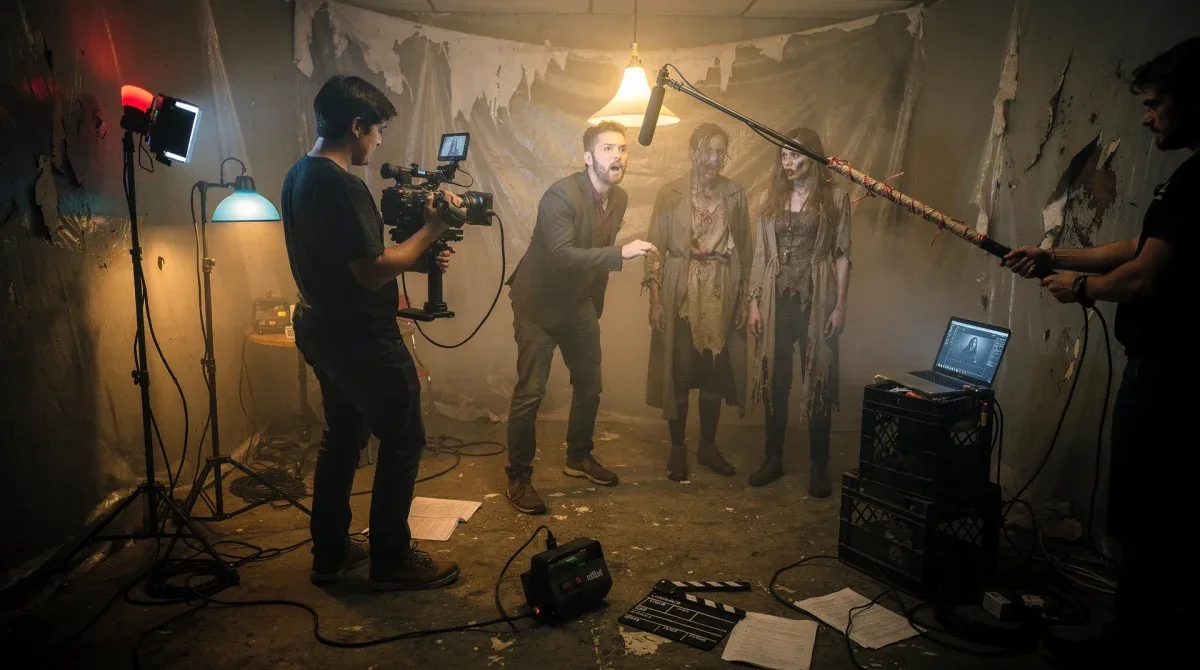
Micro-budget horror films can reduce production expenses through smaller casts, limited filming locations, practical effects, and carefully managed schedules.
These choices allow filmmakers to direct available resources toward elements that strongly influence atmosphere and audience engagement.
Nevertheless, low production costs do not automatically guarantee profitability because marketing, distribution, insurance, and other expenses remain relevant.
Why Horror Can Work With Smaller Budgets
Horror frequently depends on anticipation, uncertainty, and emotional responses that do not always require expensive visual spectacle.
A confined location, compelling characters, and carefully designed sound can create an unsettling experience with relatively modest resources.
These characteristics make micro-budget horror films attractive to independent creators seeking manageable production requirements.
The Difference Between Budget and Profit
A film's production budget represents only part of the financial investment involved in reaching audiences and generating revenue.
Theatrical releases may involve advertising, distribution fees, exhibitor revenue shares, publicity, and additional operational expenses.
Comparing worldwide box office receipts directly with production budgets therefore does not establish the actual profit earned by filmmakers.
Why Horror Audiences Support Independent Productions
Horror audiences often explore productions outside major studio franchises because the genre accommodates unusual stories and experimental filmmaking techniques.
Independent creators may introduce unfamiliar characters, unconventional settings, or unexpected narrative structures that distinguish their work.
For micro-budget horror films, originality can become an important advantage when competing for attention in a crowded entertainment market.
The Appeal of Unconventional Storytelling
Independent horror allows filmmakers to experiment with supernatural themes, psychological tension, folklore, and unusual visual approaches.
Some audiences appreciate discovering productions that approach familiar genre conventions from different creative perspectives.
However, claims about growing audience preferences should be supported by research rather than assuming that every viewer favors independent films.
How Micro-Budget Horror Films Reach Theaters
Securing theatrical distribution remains one of the most difficult challenges for filmmakers working with limited financial resources.
Distributors consider audience interest, marketing potential, release timing, available screens, and expected commercial performance before committing to a project.
Micro-budget horror films may begin with festivals or limited theatrical engagements before obtaining opportunities for wider exhibition.
Limited Releases Versus Nationwide Distribution
A limited theatrical release places a movie in a relatively small number of theaters, often targeting selected geographic markets.
A wider release involves substantially more locations and generally requires greater distribution coordination and promotional investment.
Because these terms describe different exhibition strategies, a festival screening or regional run should not automatically count as nationwide distribution.
Why Platform Releases Matter
A platform release allows a distributor to introduce a movie in selected theaters before considering expansion into additional markets.
Ticket sales, audience reactions, and promotional opportunities may influence whether the distributor increases the number of screening locations.
For micro-budget horror films, this approach can help manage financial exposure while evaluating the potential for broader demand.
Innovative Distribution Strategies for Independent Horror
Digital promotion and targeted theatrical scheduling provide independent filmmakers with alternatives to traditional mass-market advertising campaigns.
Genre-specific communities, specialty distributors, and event screenings can help films reach viewers already interested in unconventional horror.
The success of these strategies depends on execution, available funding, and the ability to attract sustained audience attention.
Event Screenings and Special Engagements
Special screenings can create opportunities for audiences to experience independent horror in theaters alongside other genre enthusiasts.
Filmmaker appearances, question-and-answer sessions, and themed events may help differentiate a release from ordinary theatrical programming.
Micro-budget horror films can benefit from these experiences when promotional expenses remain appropriate for the expected audience size.
Partnerships With Distributors and Streaming Services
Some independent productions secure theatrical arrangements alongside later distribution through digital rental platforms or streaming services.
These agreements may provide additional audience exposure, although financial terms and release windows differ substantially between contracts.
Understanding streaming platforms and entertainment packages also helps explain the broader distribution environment facing smaller films.
Case Study: The Blair Witch Project
The Blair Witch Project, released in 1999, remains a prominent example of how an inexpensive horror production can achieve extraordinary theatrical exposure.
Box Office Mojo lists a reported production budget of approximately $60,000 and worldwide theatrical earnings exceeding $248 million.
Its historical performance illustrates the commercial possibilities associated with micro-budget horror films, although its success should not be considered typical.
How The Blair Witch Project Built Interest
The film used a found-footage presentation that helped create a distinctive sense of realism and uncertainty for audiences.
Its promotional campaign also benefited from internet-based storytelling and speculation surrounding the fictional events depicted in the movie.
These elements contributed to its cultural visibility, demonstrating how presentation and marketing can influence the reception of independent horror.
What Its Box Office Results Actually Show
The Blair Witch Project achieved substantial global theatrical revenue relative to its reported initial production budget.
However, the difference between box office gross and production spending does not represent net profit after distribution and marketing costs.
Filmmakers evaluating micro-budget horror films should account for the entire financial structure rather than focusing on one headline figure.
Case Study: Terrifier 2
Terrifier 2, released in October 2022, provides another documented example of an independently produced horror movie achieving wider theatrical exposure.
According to The Numbers, the film had a reported production budget of $250,000 and worldwide box office revenue of approximately $15.7 million.
Its performance demonstrates that micro-budget horror films can attract substantial theatrical audiences under favorable circumstances.
How Terrifier 2 Expanded Its Theatrical Presence
The Numbers records an opening in 886 domestic theaters, followed by an expansion that reached approximately 1,550 theaters.
The film benefited from an established horror identity and attention from audiences interested in independent slasher productions.
This expansion provides a concrete example of theatrical distribution growth without requiring unsupported nationwide industry statistics.
Lessons From Terrifier 2's Release
The film shows how audience awareness and effective distribution can support a release beyond its initial theatrical footprint.
However, a successful sequel may benefit from existing fans and recognition that a completely unknown production does not possess.
New micro-budget horror films should therefore approach similar results as possibilities rather than predictable commercial outcomes.
The Role of Social Media in Horror Marketing
Social media gives independent filmmakers opportunities to promote trailers, share production details, and communicate directly with interested viewers.
Digital communities can help distribute information about screenings, release dates, and filmmaker appearances without requiring national television campaigns.
For micro-budget horror films, maintaining an identifiable audience can support promotional efforts when advertising resources are limited.
How Word-of-Mouth Builds Awareness
Audience recommendations can introduce unfamiliar films to viewers who might not encounter them through traditional movie advertising.
Reviews, personal discussions, and social media reactions may help increase visibility around individual releases.
However, there is no guarantee that online excitement will translate into ticket sales or profitable theatrical expansion.
Why Viral Marketing Is Difficult to Predict
Viral campaigns depend on unpredictable audience behavior, platform algorithms, and the appeal of the content being shared.
A trailer may receive substantial attention without generating a comparable number of paid theatrical admissions.
Filmmakers should combine online engagement with measurable indicators such as ticket sales, audience locations, and distribution interest.
The Importance of Film Festivals
Film festivals offer independent filmmakers opportunities to present finished work to audiences, critics, industry professionals, and potential distributors.
Genre-focused festivals can be particularly valuable for horror productions because their audiences are already interested in discovering unfamiliar titles.
Micro-budget horror films may use festival exposure to build professional relationships and strengthen future distribution discussions.
How Festivals Support Independent Filmmakers
Festival screenings can provide opportunities for filmmakers to receive feedback and participate in conversations about their creative choices.
Some events also connect participants with sales representatives, producers, or distribution companies seeking new projects.
However, festival selection does not guarantee a distribution agreement or a commercial theatrical release.
Technological Advancements and Production Accessibility
Digital cameras, editing software, and accessible sound recording equipment have expanded the production options available to independent creators.
Filmmakers can now complete certain technical tasks with smaller teams than those historically required by conventional production methods.
These developments support micro-budget horror films, although professional filmmaking still requires planning, skilled collaborators, and reliable equipment.
Affordable Cameras and Digital Editing
Modern digital cameras can produce high-quality footage, but image quality also depends on lighting, composition, and production design.
Editing programs provide tools for organizing scenes, managing sound, and developing the rhythm that helps build cinematic suspense.
Careful preparation can reduce unnecessary expenses without sacrificing the narrative clarity needed for a compelling film.
Why Sound Design Is Essential in Horror
Sound can establish tension through silence, environmental details, unexpected changes, and the controlled introduction of unsettling effects.
Effective audio often requires more attention to recording quality and creative decisions than expensive visual equipment.
Micro-budget horror films can use thoughtful sound design to strengthen suspense while keeping production costs relatively manageable.
Production Challenges for Low-Budget Filmmakers
Limited financing creates practical difficulties involving equipment availability, crew compensation, locations, insurance, and post-production services.
Filmmakers may need to simplify scripts or adjust schedules to complete projects within available resources.
Responsible planning is essential because low budgets should not come at the expense of workplace safety or contractual obligations.
Managing Locations and Production Schedules
Reducing the number of locations can simplify transportation, scheduling, lighting requirements, and coordination between departments.
Concentrated production schedules may also help control costs, provided adequate time is allocated for safe and effective work.
Creative limitations can encourage distinctive storytelling choices, but they still require careful preparation and execution.
Independent Theaters and Local Horror Communities
Independent cinemas can provide valuable exhibition opportunities for smaller productions that receive limited attention from national theater chains.
Local programming may include filmmaker events, horror retrospectives, special screenings, and regional independent film showcases.
These venues contribute to the visibility of micro-budget horror films by connecting specialized programming with interested audiences.
Why Smaller Theaters Remain Relevant
Independent theaters may offer programming flexibility that supports films outside conventional blockbuster release schedules.
Community relationships and local promotional partnerships can help attract viewers to movies with relatively limited marketing support.
For additional industry context, explore the role of independent movie theaters in the United States.
Audience Engagement and Theatrical Experiences
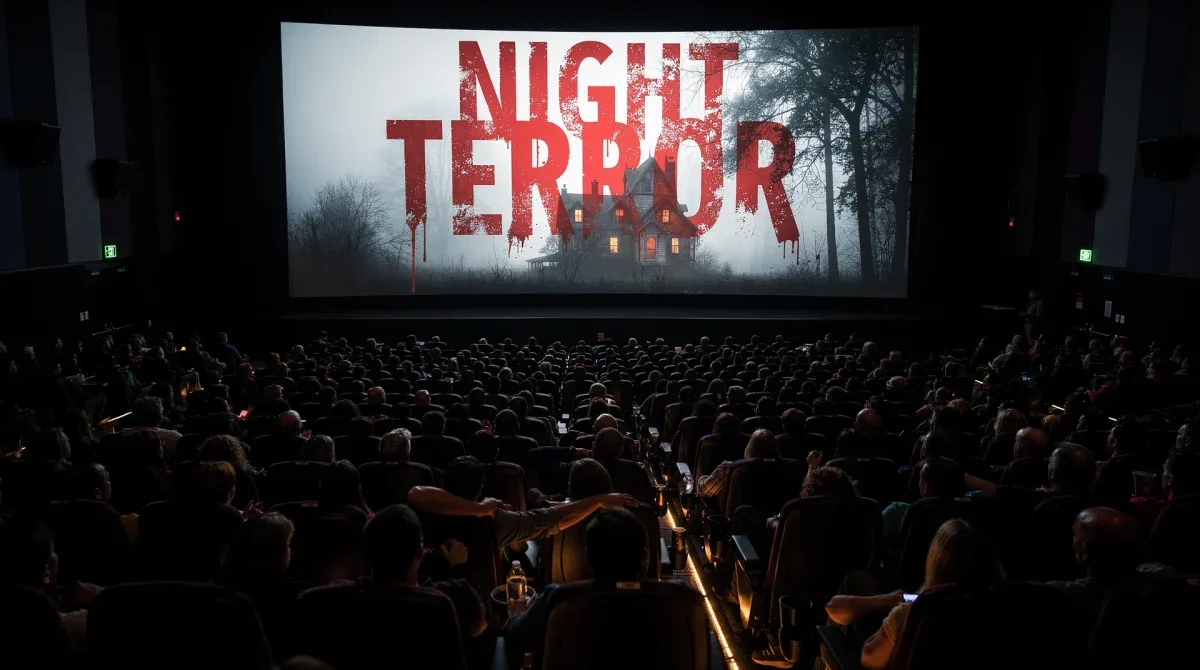
Horror can create a distinctive communal viewing experience because audiences react together to suspense, surprises, and emotionally intense scenes.
Special theatrical presentations allow independent productions to develop memorable connections with viewers interested in genre filmmaking.
However, the existence of enthusiastic audiences does not establish that all micro-budget horror films perform successfully at the box office.
Why Horror Works in a Movie Theater
Large screens and professional sound systems can heighten the atmosphere created by horror cinematography and audio design.
Shared audience reactions may also contribute to the overall experience, particularly during suspenseful or surprising sequences.
These qualities give theatrical exhibition a distinctive appeal even when films are eventually available through home viewing options.
The Role of Critics and Review Platforms
Professional critics and independent reviewers can influence awareness by introducing lesser-known productions to broader audiences.
Reviews may provide context about storytelling, performances, technical execution, and the originality of a film's approach.
For micro-budget horror films, credible coverage can become particularly valuable when promotional resources are limited.
How Reviews Affect Film Discovery
Viewers sometimes rely on critics, online databases, and community recommendations when deciding which unfamiliar movies deserve their attention.
Positive reviews may increase visibility, while mixed responses can still generate discussion among audiences interested in experimental filmmaking.
Nevertheless, a favorable critical reception does not automatically result in additional theaters or stronger ticket sales.
Distribution Agreements and Financial Risk
Independent theatrical releases involve contractual arrangements that determine how films are marketed, exhibited, and financially compensated.
Filmmakers may negotiate with sales agents or distributors regarding territories, release windows, expenses, and revenue participation.
The financial viability of micro-budget horror films depends partly on these agreements and the expenses deducted before revenue reaches producers.
Why Filmmakers Must Examine Distribution Terms
Contracts may address marketing commitments, reporting responsibilities, distribution fees, and the rights granted to participating companies.
Understanding these provisions helps producers evaluate whether proposed theatrical opportunities support their financial and creative objectives.
Qualified legal and financial advisers can assist independent filmmakers when reviewing agreements with significant long-term implications.
Are Micro-Budget Horror Films Always Profitable?
The success of several recognizable independent horror productions can create the impression that low-cost films consistently generate strong returns.
In reality, many projects face limited distribution, modest audience interest, and expenses that exceed their eventual revenue.
Micro-budget horror films should be evaluated using realistic financial projections rather than assuming exceptional box office success is typical.
Understanding Box Office Revenue Versus Investment
Worldwide box office totals describe theatrical ticket sales, not the amount of money ultimately retained by a production company.
Exhibitors, distributors, marketing providers, and other participants may receive portions of revenue according to contractual arrangements.
Reliable profitability analysis requires more detailed financial information than production budget and gross box office figures alone.
How to Evaluate the Claimed 30% Increase
The original claim that micro-budget horror films experienced a 30% increase in nationwide theatrical releases requires additional verification.
A credible calculation would require clearly defined budgets, release classifications, comparison years, and a consistent set of theatrical distribution records.
Without that information, the percentage should not be presented as an established fact about the 2026 film market.
What Reliable Industry Data Should Include
Researchers would need to define micro-budget thresholds and determine which films qualify for inclusion in each comparison period.
They would also need a consistent definition of nationwide theatrical release based on measurable distribution criteria.
Only after collecting comparable records could an accurate percentage change be calculated and independently evaluated.
How to Track Independent Horror Box Office Results
Public movie databases can provide release dates, theater counts, estimated production budgets, and theatrical revenue figures for selected films.
However, not every independent production has complete public financial information, creating limitations for comprehensive research.
These resources are useful for studying specific micro-budget horror films while recognizing that incomplete datasets may affect broader conclusions.
Using Established Box Office Databases
The The Numbers listing for Terrifier 2 provides production budget, theatrical revenue, and domestic theater count information.
Researchers can use these records to evaluate how individual productions expanded their theatrical distribution over time.
Such evidence supports specific case studies more reliably than unsupported claims about the entire independent horror market.
Impact on the Independent Film Ecosystem
Successful independent horror productions can create opportunities for emerging directors, performers, editors, technicians, and other creative professionals.
These projects may also demonstrate alternative production methods that support future work across different film genres.
However, the broader economic impact of micro-budget horror films depends on employment conditions, actual earnings, and continued industry participation.
Opportunities for Emerging Filmmakers
Smaller productions can allow filmmakers to gain experience managing complete projects and working within financial constraints.
Festival participation and specialized distribution may provide opportunities to connect with collaborators and potential funding partners.
Building a sustainable career still requires consistent work, professional relationships, and realistic financial planning.
How Streaming Affects Independent Horror
Streaming services offer another potential distribution channel for horror productions that cannot secure substantial theatrical exhibition.
Digital releases can make smaller films available to audiences beyond the geographic areas served by their initial screenings.
For micro-budget horror films, streaming and theatrical exhibition may operate as complementary parts of a broader distribution strategy.
Theatrical Releases Versus Digital Availability
A theatrical release can create publicity and audience discussion before a film becomes available through other viewing formats.
Streaming may offer wider geographic accessibility, although the financial terms differ from theatrical ticket revenue arrangements.
Filmmakers should evaluate each opportunity according to distribution contracts, audience goals, and the overall release strategy.
The Future of Micro-Budget Horror Films in 2026
Micro-budget horror films remain relevant because filmmakers continue exploring production methods that balance creative ambitions with limited resources.
Digital tools, specialized distribution channels, and direct audience communication provide opportunities for independent projects to reach viewers.
Nevertheless, future theatrical growth cannot be guaranteed without reliable evidence demonstrating sustained changes in distribution and audience demand.
What Filmmakers Should Monitor Next
Industry participants can follow festival acquisitions, distribution agreements, theater counts, and box office performance for newly released independent films.
Comparing these records over several years may help identify whether theatrical opportunities are genuinely expanding.
Careful analysis should distinguish individual success stories from trends affecting the overall independent horror industry.
The Continuing Appeal of Horror Beyond Theaters
Horror enthusiasts can discover independent productions through festivals, theaters, digital rental services, and streaming catalogs.
Some viewers also create dedicated spaces to experience films at home with appropriate sound and display equipment.
For related entertainment ideas, explore ways to create a home theater experience for movie nights.
Why Multiple Viewing Options Matter
Different distribution formats help films reach audiences with varying geographic locations, schedules, and viewing preferences.
Theatrical screenings offer shared experiences, while home viewing provides additional flexibility after a film becomes available digitally.
Supporting legitimate viewing platforms can help ensure that filmmakers and rights holders receive compensation under applicable arrangements.
Micro-Budget Horror Films: Key Industry Insights
Micro-budget horror films demonstrate the importance of creative production choices, realistic financial planning, and carefully designed distribution strategies.
Historical examples such as The Blair Witch Project and Terrifier 2 show that comparatively inexpensive films can achieve significant theatrical visibility.
However, isolated successes do not prove a nationwide 30% increase in releases or guarantee similar outcomes for future productions.
Key Point | Brief Description |
|---|---|
Claimed 30% Rise | A nationwide increase of 30% in micro-budget horror theatrical releases during 2026 has not been independently verified. |
Production Economics | Limited locations, smaller casts, and creative production techniques may reduce costs, but profitability is not guaranteed. |
The Blair Witch Project | 1999 horror film with a reported $60,000 production budget and more than $248 million in worldwide box office revenue. |
Terrifier 2 | 2022 horror sequel with a reported $250,000 production budget and approximately $15.7 million in worldwide box office revenue. |
Distribution | Limited releases, festival exposure, and targeted marketing can support opportunities for wider exhibition. |
Audience Engagement | Social media, reviews, and genre communities may help smaller films gain visibility. |
Future Outlook | Further growth depends on audience demand, distribution opportunities, financing, and measurable theatrical results. |
Frequently Asked Questions About Micro-Budget Horror Films
What defines a micro-budget horror film?
Micro-budget horror films are productions completed with comparatively limited financing. There is no universal budget threshold, although some films operate below $100,000 while others cost several hundred thousand dollars.
Did nationwide micro-budget horror releases increase by 30% in 2026?
No reliable nationwide dataset was identified to verify that exact percentage. Establishing the figure would require comparable release records, defined budget thresholds, and a consistent measurement period.
Why is horror suitable for low-budget filmmaking?
Horror can rely on atmosphere, suspense, sound, performance, and carefully selected locations rather than expensive visual effects. These characteristics may help filmmakers work within limited resources.
How do micro-budget horror films secure theatrical distribution?
Independent films may gain attention through festivals, specialized distributors, targeted marketing, limited releases, and audience recommendations. Securing nationwide distribution remains challenging and is never guaranteed.
Was The Blair Witch Project a successful micro-budget film?
Yes. The 1999 film had a reported production budget of approximately $60,000 and earned more than $248 million worldwide, although box office gross should not be confused with net profit.
How successful was Terrifier 2 in theaters?
Terrifier 2, released in 2022, earned approximately $15.7 million worldwide against a reported $250,000 production budget, according to The Numbers.
Does social media guarantee box office success?
No. Social media may increase awareness, but online engagement does not automatically translate into ticket sales, profitable distribution, or wider theatrical availability.
Why are film festivals important for independent horror?
Festivals provide opportunities for screenings, audience feedback, industry connections, and potential distributor interest. However, selection does not guarantee a theatrical release.
Are micro-budget horror films always profitable?
No. Production costs, marketing expenses, distribution fees, and limited audience demand can reduce or eliminate financial returns even when a film attracts some theatrical attention.
What is the difference between a limited and nationwide release?
A limited release uses a relatively small number of theaters or selected markets. Nationwide or wide releases involve substantially broader distribution, although exact definitions may vary by source.
Can streaming platforms help independent horror filmmakers?
Streaming and digital rental platforms may provide additional distribution opportunities and audience access, depending on contractual arrangements and available services.
Will micro-budget horror continue growing after 2026?
Its future depends on financing, creative development, distribution opportunities, and audience interest. Sustained industry-wide growth requires reliable data rather than assumptions based on individual hits.
Conclusion: The Future of Micro-Budget Horror Films
Micro-budget horror films demonstrate that compelling storytelling, strategic marketing, and thoughtful distribution can create meaningful opportunities for independent filmmakers.
Historical successes such as The Blair Witch Project and Terrifier 2 provide verified examples of comparatively inexpensive productions achieving significant theatrical exposure.
Although the claimed 30% increase in 2026 remains unverified, independent horror continues offering valuable lessons about creativity, financial discipline, and reaching audiences beyond traditional studio systems.