Live Concert Ticketing Updates: New Federal Disclosure Rules Impact Secondary Resale Fees
Advertisements
Concert ticketing disclosure rules have changed how ticket prices must be presented to consumers in the United States. Federal requirements now emphasize upfront pricing transparency.
The Federal Trade Commission's rule took effect on May 12, 2025, covering live-event ticket sales and certain other transactions. It addresses hidden mandatory fees and misleading pricing.
This guide explains four important consumer protection principles, their impact on resale platforms, and what ticket buyers should check before making a purchase.
Understanding the Federal Ticketing Disclosure Rules
Federal concert ticketing disclosure rules are designed to help consumers understand the total cost of live-event tickets. The FTC's pricing requirements apply to covered sellers.
The regulation addresses situations where advertised prices exclude mandatory charges that appear later during checkout. This practice can make tickets seem less expensive initially.
Under the federal rule, sellers must prominently disclose the required total price upfront. Additional conditions govern the presentation and description of applicable fees.
Do Federal Rules Require a 10% Reduction in Resale Fees?
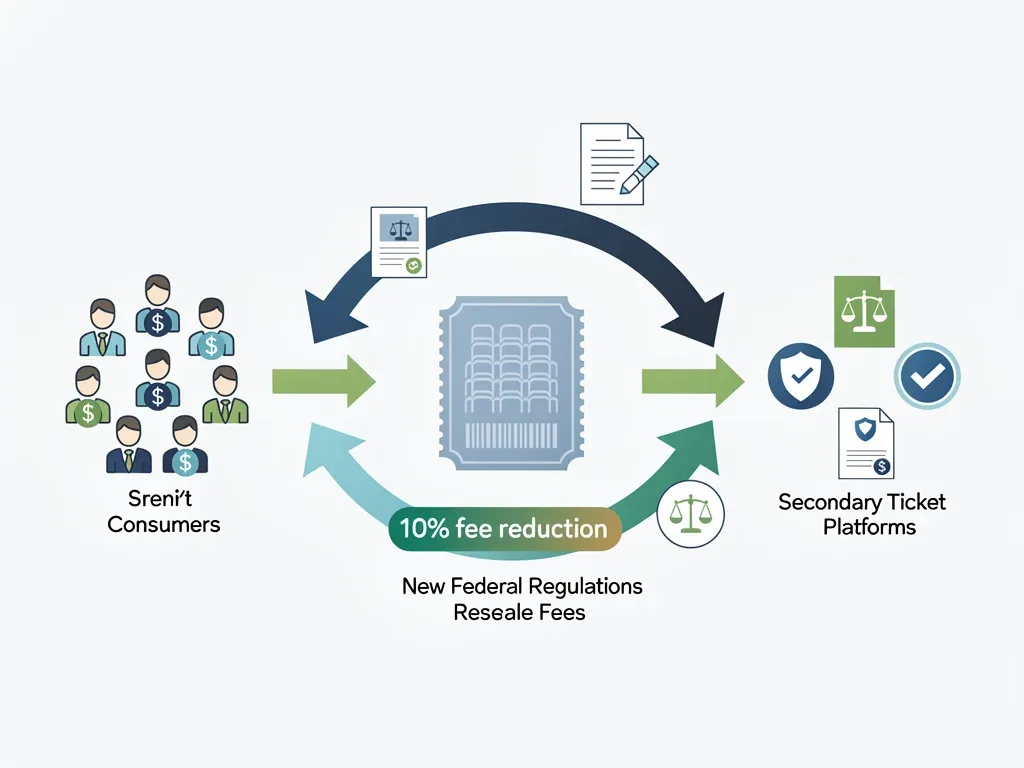
There is no general federal requirement under the FTC's ticketing fee rule that secondary resale fees must decrease by 10%. The regulation addresses disclosure rather than mandatory discounts.
For consumers reviewing concert ticketing disclosure rules, this distinction is important. More transparent pricing does not necessarily mean that tickets become cheaper.
Resale platforms can continue charging permitted service fees, but mandatory charges must be included in the displayed total price according to the applicable requirements.
How Pricing Transparency Impacts Consumers
Upfront pricing makes it easier to compare ticket offers without discovering mandatory service charges late in checkout. Consumers can evaluate the advertised total more confidently.
The concert ticketing disclosure rules are especially relevant when comparing different resale marketplaces. A lower ticket price may not represent the lowest total cost.
Clearer pricing can improve purchasing decisions for live concerts. However, sellers remain free to establish prices and fees within applicable legal limits.
Clearer Comparison: Buyers can compare advertised prices that include mandatory charges.
Fewer Checkout Surprises: Required fees should not first appear late in the purchasing process.
Better Budgeting: Upfront totals help consumers evaluate affordability.
No Guaranteed Discount: The federal rule does not require a 10% reduction in resale fees.
Four Key Consumer Protection Principles
The FTC's concert ticketing disclosure rules establish requirements for how prices and fees are presented. Several related consumer protection issues also affect ticket transactions.
Four useful areas to understand are upfront total pricing, truthful fee descriptions, speculative listings, and refund information. These are not four separate federal laws.
Different obligations arise from the FTC rule, broader consumer protection laws, and applicable state regulations. Buyers should distinguish confirmed requirements from proposed reforms.
Principle 1: Upfront All-In Pricing
Covered ticket sellers must disclose a prominent total price that includes mandatory fees they know and can calculate upfront. This applies to covered primary and secondary sellers.
Under the concert ticketing disclosure rules, certain government charges, shipping costs, and genuinely optional additions may be excluded from the initial displayed total.
However, excluded charges must be disclosed before payment is requested. The final payment amount must also be prominently presented before the consumer pays.
Principle 2: Accurate Descriptions of Fees and Sellers
Ticket sellers must avoid misrepresenting the nature, purpose, amount, or refundability of fees. Misleading descriptions can violate federal consumer protection requirements.
For concert ticketing disclosure rules, accurate information helps buyers understand what they are paying. A service charge should not be falsely described as a government tax.
Consumers should also identify the actual seller and review marketplace protections. Seller identity disclosure obligations may vary under additional state or federal laws.
Principle 3: Misleading Speculative Listings
Speculative ticketing generally involves offering tickets before the seller possesses or controls them. These transactions can raise concerns about availability and fulfillment.
The FTC's concert ticketing disclosure rules prohibit deceptive pricing practices, including misleading claims about ticket availability. They do not establish a blanket prohibition on every speculative listing.
Additional restrictions may apply under other laws or marketplace policies. Buyers should confirm whether tickets are guaranteed and understand the consequences of non-delivery.
Principle 4: Refund and Transfer Information
Ticket refund and transfer policies can vary depending on the seller, event organizer, and applicable laws. Buyers should review these conditions before purchase.
Under the concert ticketing disclosure rules, businesses must not misrepresent the refundability of fees. The rule does not establish a universal refund policy for canceled events.
Consumers should examine cancellation protection, delivery guarantees, and transfer restrictions separately. These details may affect the value and usability of a resale ticket.
Impact on the Secondary Ticketing Market
The introduction of federal concert ticketing disclosure rules requires covered resale businesses to present mandatory charges more transparently. This affects pricing displays and checkout information.
Platforms may need to adjust their interfaces so advertised totals meet regulatory requirements. However, the rule does not prescribe a particular business model.
The long-term impact on ticket prices remains dependent on competition and marketplace conditions. Better disclosure should not be confused with guaranteed reductions in overall costs.
Challenges and Opportunities for Resellers
Resellers and ticket platforms must ensure that pricing information accurately reflects mandatory charges. Clear disclosure helps consumers understand the full advertised cost.
Compliance with concert ticketing disclosure rules may require changes to price presentation and fee descriptions. Businesses must also avoid misleading claims about available tickets.
Transparent practices can support informed purchasing, although they do not guarantee higher sales or stronger profit margins. Marketplace competition remains important.
Display mandatory fees within the required total price.
Avoid misleading descriptions of ticket availability or charges.
Explain applicable refund and transfer conditions accurately.
Review federal and relevant state requirements for resale operations.
Consumer Protection and Advocacy
Consumer protection efforts have increasingly focused on pricing transparency for live events. Hidden mandatory fees can make purchasing decisions more difficult.
The federal concert ticketing disclosure rules address misleading price presentation in covered transactions. Their purpose is to help buyers understand costs before committing.
Ticketing concerns also extend to delivery guarantees, accessibility, and canceled performances. These subjects may involve separate consumer protection rules and contractual obligations.
Empowering Ticket Buyers with Information
Consumers benefit from comparing complete prices rather than advertised base amounts. This is particularly useful when multiple ticket marketplaces offer similar seats.
Understanding concert ticketing disclosure rules can also help identify suspicious fee descriptions. Unexpected charges should be reviewed before payment.
Buyers attending live theater performances or concerts should verify seller reliability, delivery terms, and relevant refund policies.
Enforcement and Compliance Mechanisms
The Federal Trade Commission is responsible for enforcing federal requirements concerning unfair or deceptive fees. Its rule covers qualifying live-event ticket transactions.
Compliance with concert ticketing disclosure rules requires businesses to present prices properly and avoid misleading statements about charges. Enforcement depends on the circumstances of each case.
Consumers can submit complaints to the FTC when they believe a seller has used deceptive practices. State consumer protection authorities may also provide assistance.
Monitoring and Penalties for Non-Compliance
The FTC can investigate suspected violations of applicable consumer protection requirements. Businesses may face enforcement action when their practices violate federal law.
The concert ticketing disclosure rules provide standards for evaluating advertised prices and fee representations. Compliance involves more than simply adding a disclosure at checkout.
Consumers should preserve screenshots, receipts, and transaction records when reporting suspected violations. This information may help document misleading pricing practices.
Anticipated Market Reactions and Future Trends
Ticketing platforms continue adapting to regulatory expectations and changing consumer preferences. Transparent pricing has become an important feature of online ticket transactions.
The concert ticketing disclosure rules may influence how sellers design search results and checkout pages. Buyers increasingly expect clear information before selecting tickets.
Future legislation or state requirements could introduce additional protections. However, proposals should not be presented as enacted laws until officially adopted.
The Role of Technology in Future Ticketing
Digital ticketing systems can provide tools for validating tickets, tracking transfers, and communicating event information. Their capabilities vary among platforms.
Technology can support concert ticketing disclosure rules by presenting accurate pricing information and transaction details. Automated systems still require appropriate oversight.
Secure transfers and verification features may reduce some ticketing risks. However, no technology can independently guarantee honest listings or prevent every fraudulent transaction.
Practical Steps for Buying Resale Tickets
Understanding concert ticketing disclosure rules is useful when comparing resale offers. Buyers should evaluate the complete advertised cost and seller conditions.
Before paying, review the seat location, delivery method, refund terms, and any restrictions on ticket transfer. These details can affect the purchasing experience.
Keep copies of confirmations and use secure payment methods. If a listing appears misleading, consider contacting the platform before completing the transaction.
Comparing Prices Across Ticket Platforms
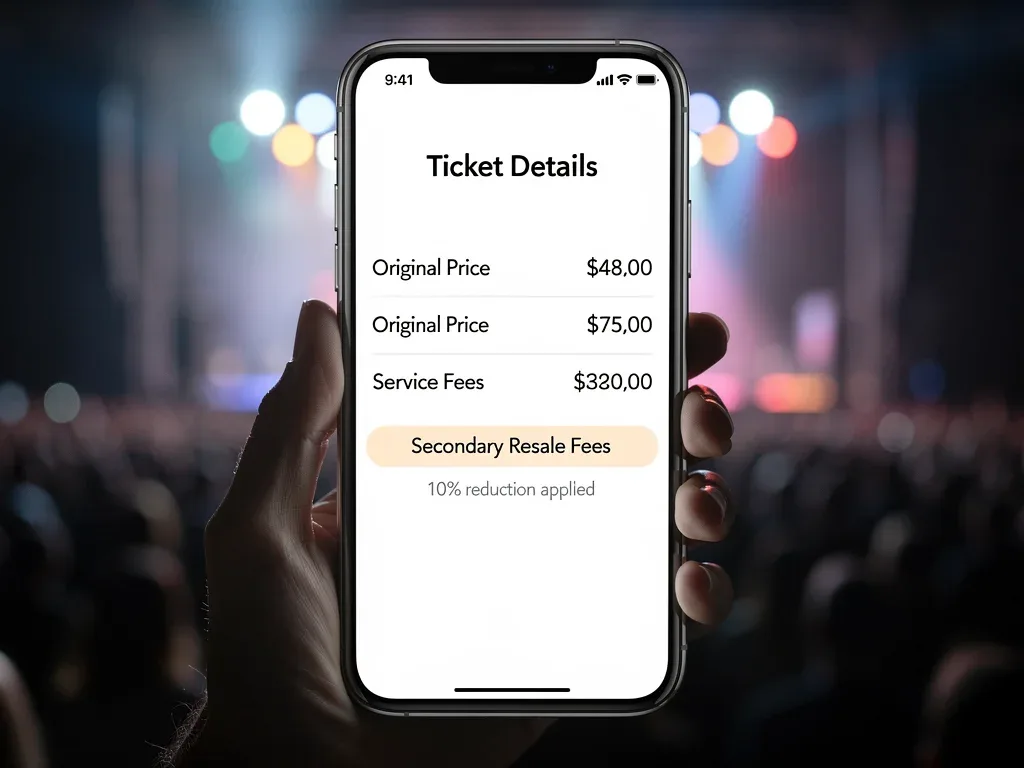
Start by comparing tickets for the same event, seating section, and delivery conditions. Different marketplaces may advertise substantially different asking prices.
Under concert ticketing disclosure rules, mandatory fees must generally be included in the displayed total. Additional permitted charges should be disclosed before payment.
Do not assume that a higher base price means a more expensive final transaction. Compare the full amount and evaluate the seller's protections.
Check the Total: Compare prices that include mandatory charges.
Verify the Event: Confirm the correct date, venue, and seating information.
Review Seller Terms: Understand delivery guarantees and restrictions.
Examine Refund Policies: Determine what happens if an event changes.
Save Documentation: Retain receipts and screenshots of important terms.
Conclusion
The federal concert ticketing disclosure rules represent an important step toward clearer live-event pricing. Covered sellers must display mandatory charges prominently and avoid misleading fee claims.
However, these requirements do not impose a universal 10% reduction in resale fees. They also do not create four independent ticketing laws.
Consumers should focus on the complete purchase price, verified availability, and applicable refund conditions. Accurate information remains essential for confident ticket purchasing.
Key Point | Brief Description |
|---|---|
Fee Reduction | No general federal 10% reduction in secondary resale fees is imposed by the FTC rule. |
All-in Pricing | Mandatory charges must be included in the prominent upfront total, subject to specified exceptions. |
Speculative Ticketing | Misleading claims about ticket availability may violate consumer protection rules; additional restrictions may apply. |
Consumer Protection | Federal requirements address misleading fees, while other laws and policies may govern refunds and transfers. |
Frequently Asked Questions About New Ticketing Rules
What exactly are the federal concert ticketing disclosure rules?▼
The FTC's Rule on Unfair or Deceptive Fees requires covered live-event ticket sellers to display mandatory charges in a prominent upfront total price. It also prohibits misrepresentations about fees. The rule became effective on May 12, 2025.
How will the 10% fee reduction impact me as a ticket buyer?▼
There is no universal 10% resale fee reduction under the FTC rule. Consumers benefit from greater pricing transparency, but ticket prices and permitted service fees can still vary between sellers.
What does "all-in pricing" mean for concert tickets?▼
All-in pricing means the advertised total generally includes mandatory fees that the seller knows and can calculate upfront. Certain government charges, shipping costs, and optional purchases may be excluded initially, but must be disclosed before payment.
Is speculative ticketing still allowed under these rules?▼
The FTC rule does not establish a blanket ban on every speculative listing. However, misleading consumers about ticket availability can violate federal consumer protection requirements. Separate state laws and marketplace restrictions may also apply.
Where can I find more information on my rights as a ticket consumer?▼
Consumers can consult the Federal Trade Commission's official website for information about unfair or deceptive ticket fees. They should also review seller terms, state consumer protection resources, and available complaint procedures.
Looking Ahead: The Future of Concert Ticketing
The evolution of concert ticketing disclosure rules reflects continued attention to transparency in the live entertainment market. Clear pricing can help consumers make more informed decisions.
Regulatory enforcement and potential future legislation may influence ticketing practices. Consumers should distinguish current legal obligations from proposals or predictions.
As digital ticketing evolves, the future of live concerts and hybrid experiences may introduce new purchasing methods. Transparent pricing will remain an important consideration.
The Role of Technology in Future Ticketing
Digital ticket systems can simplify transfers and provide transaction records. Some platforms also include verification features intended to reduce fraudulent activity.
Future tools may support concert ticketing disclosure rules through more consistent pricing displays and automated compliance checks. Effectiveness depends on implementation.
For the live event industry, trustworthy digital experiences require both appropriate technology and compliance with applicable consumer protection requirements.