Anime Domination US Pop Culture: 6 Animated Films to Gross $50M+
Advertisements
The growing influence of anime in US pop culture reflects changing entertainment habits and greater access to Japanese animation. Streaming platforms and theatrical releases have introduced anime to broader audiences.
From established franchises to original animated films, anime has become an important part of entertainment conversations. Its popularity extends across streaming, merchandise, gaming, and cinema.
Understanding the role of anime in US pop culture helps explain the opportunities facing the industry in 2026. Explore box office performance, audience engagement, studio strategies, and future challenges.
The Ascent of Anime: A Decade in Review
The expansion of anime in US pop culture developed through years of international distribution and growing fan communities. Japanese animation now reaches audiences across different platforms.
Successful theatrical releases have demonstrated that anime films can attract substantial interest in North America. Established franchises often benefit from audiences familiar with their characters.
Streaming availability has also introduced viewers to different genres and storytelling styles. These developments have helped anime become a recognizable part of mainstream entertainment.
Streaming's Role in Mainstream Adoption
Streaming services have made Japanese animation easier to discover. Viewers can explore television series and films without relying exclusively on traditional broadcasting schedules.
The availability of subtitles, dubbing, and different genres has broadened access to anime. Platforms can introduce viewers to titles outside the most widely recognized franchises.
For anime in US pop culture, streaming represents an important distribution channel. Its influence extends beyond online viewing by encouraging interest in theatrical releases and related merchandise.
Streaming libraries featuring different anime genres and franchises.
Subtitled and dubbed content for international audiences.
Simultaneous or near-simultaneous distribution of selected releases.
Recommendation features that help viewers discover new titles.
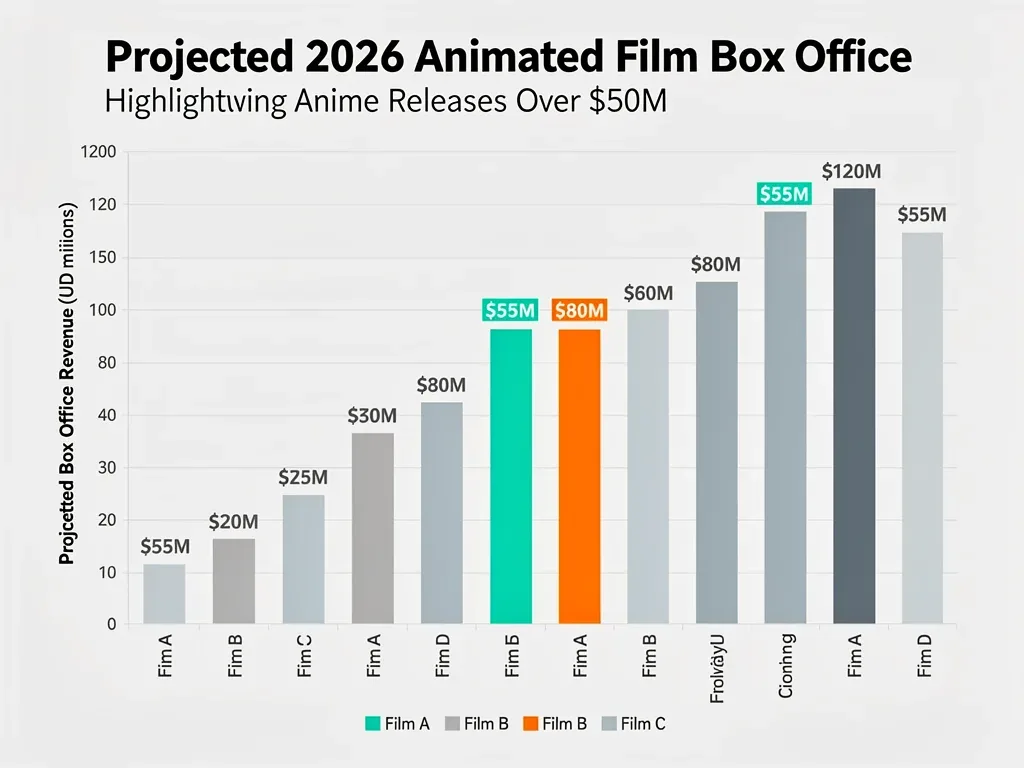
Projected Box Office Successes for 2026
The theatrical performance of anime in US pop culture remains an important topic for distributors and cinema operators. Previous releases provide examples of strong audience interest.
However, predicting box office results requires verified release schedules, distribution information, and reliable market analysis. Individual films can perform differently even within successful franchises.
Claims that six anime releases will each exceed $50 million domestically in 2026 cannot be confirmed from the available evidence. Such projections should remain unverified until supported by reliable data.
Factors Driving Major Box Office Performances
Established fan communities can contribute to strong opening weekends for anime films. Familiar characters and recognizable storylines often create interest before a theatrical release.
Marketing campaigns, theater availability, and release timing also influence performance. Films with broader distribution may have more opportunities to reach audiences beyond existing fans.
The growth of anime in US pop culture provides a foundation for theatrical opportunities. Nevertheless, commercial results depend on each title's circumstances rather than guaranteed revenue targets.
Established Franchises: Familiar stories can attract existing fans to theaters.
Theatrical Distribution: Screen availability influences potential audience reach.
Marketing: Promotional campaigns help increase awareness before release.
Audience Reception: Reviews and recommendations can affect continued interest.
Changing Demographics and Audience Engagement
Interest in anime in US pop culture reaches audiences with different backgrounds and entertainment preferences. Anime includes action, romance, comedy, fantasy, and many other genres.
This variety gives viewers several ways to engage with Japanese animation. Some follow long-running franchises, while others prefer independent films or shorter series.
Audience participation also extends beyond watching episodes and movies. Fan events, discussions, merchandise, and creative communities contribute to anime's cultural visibility.
The Power of Fan Communities and Social Media
Fan communities create opportunities for viewers to exchange recommendations and discuss favorite characters. These conversations help sustain interest between major releases.
Social media platforms provide additional spaces for discussions, artwork, and video content. Creators often introduce anime titles to viewers who may not already follow the genre.
The influence of anime in US pop culture is reinforced by this participation. Online visibility can support discovery, although popularity does not automatically translate into theatrical ticket sales.
Online communities sharing recommendations and discussions.
Fan-created artwork, videos, and commentary.
Conventions providing opportunities for community engagement.
Content creators introducing anime to different audiences.
Studio Investments and Marketing Strategies
The expanding audience for anime in US pop culture creates opportunities for production companies and distributors. International licensing remains an important part of anime distribution.
Studios can explore theatrical partnerships, streaming agreements, and promotional campaigns. These strategies help connect Japanese productions with audiences in different markets.
However, financial commitments and commercial results vary among projects. Claims of industry-wide investment increases require supporting information from reliable business reports.
Hollywood's Embrace of Anime Talent and IP
Japanese animation influences creative discussions across the international entertainment industry. Its storytelling approaches and visual styles provide inspiration for different projects.
Adaptations and collaborations can create opportunities for companies working across national markets. Such projects require careful attention to creative direction and audience expectations.
For anime in US pop culture, international partnerships may increase visibility. Their success depends on execution, licensing arrangements, and the reception of individual productions.
International distribution agreements for established anime franchises.
Collaborations involving Japanese and American entertainment companies.
Adaptations of recognizable intellectual properties.
Original productions influenced by Japanese animation techniques.
Challenges and Opportunities for Sustained Growth
The continuing development of anime in US pop culture presents opportunities alongside important challenges. Competition for audience attention remains intense across entertainment platforms.
Studios and distributors need to consider release timing, production quality, and promotional expenses. Greater availability does not guarantee that every title will attract substantial viewership.
Creative variety may help maintain audience interest over time. Original storytelling and accessible distribution can introduce new viewers without depending exclusively on established franchises.
Navigating Market Saturation and Creative Evolution
As more content becomes available, audiences face an increasing number of entertainment choices. This creates challenges for smaller productions seeking visibility.
For anime in US pop culture, distinctive storytelling can help individual titles stand out. Different artistic approaches and genres offer opportunities for creative experimentation.
Industry participants must also balance production schedules with quality expectations. Long-term audience engagement depends on delivering compelling experiences rather than simply increasing release volume.
Plan release schedules to manage competition for audience attention.
Support original narratives alongside established franchises.
Explore different animation styles and storytelling approaches.
Use audience feedback without sacrificing creative direction.
Economic Impact and Industry Shifts
The commercial importance of anime in US pop culture extends beyond movie theaters. Streaming, licensing, merchandise, and related products create additional revenue opportunities.
Popular intellectual properties may support games, collectibles, and promotional collaborations. The financial performance of these activities depends on individual agreements and consumer demand.
International distribution also creates work involving localization, marketing, and audience development. Understanding the industry's economic footprint requires examining multiple revenue categories.
Investment Opportunities and Future Projections
Companies interested in anime can evaluate opportunities involving content licensing, distribution, production, and related merchandise. Each activity presents different financial considerations.
The visibility of anime in US pop culture may encourage further business interest. However, investment expectations should be supported by reliable market research.
Future outcomes will depend on audience behavior, costs, competition, and the performance of individual releases. Strong cultural recognition alone does not ensure commercial profitability.
Content Licensing: Distribution opportunities for recognized and emerging titles.
Digital Entertainment: Potential collaborations with games and interactive media.
Merchandise: Products connected to popular anime properties.
Localization: Services that help productions reach international audiences.
The Relationship Between Streaming and Theatrical Releases
Streaming and theatrical distribution play different roles in the expansion of anime in US pop culture. Online access can help audiences become familiar with a franchise.
Theatrical releases offer a separate viewing experience that may appeal to established fans. Large screens, premium sound, and community participation can contribute to their attraction.
Distribution strategies vary according to licensing agreements and commercial objectives. Some productions receive wide theatrical releases, while others have limited screenings or direct streaming availability.
How Streaming Can Support Movie Discovery
Streaming libraries allow viewers to explore earlier installments before watching a related film. This access can make complex franchises easier to follow.
For anime in US pop culture, convenient viewing options help connect television series with theatrical events. Fans can revisit important storylines before new releases.
However, availability depends on licensing arrangements and regional catalogs. Consumers should consult official distribution information when planning where to watch a specific title.
What Box Office Figures Actually Reveal
Box office performance provides useful information about the commercial reach of anime in US pop culture. Ticket revenue can indicate theatrical interest during a defined release period.
However, domestic earnings must be distinguished from worldwide totals. Combining different markets without clarification may create misleading comparisons.
Revenue also differs from profit because production, distribution, and marketing involve costs. A complete assessment requires examining more than ticket sales alone.
Understanding Domestic and Worldwide Revenue
Domestic box office reports generally combine earnings from the United States and Canada. Worldwide figures include additional international markets.
When discussing anime in US pop culture, the market definition should be stated clearly. A global success does not necessarily mean a film achieved the same result domestically.
Sources such as Box Office Mojo can help compare reported theatrical earnings. Figures should always be checked against the relevant reporting date and release history.
Domestic Gross: Reported theatrical revenue from the United States and Canada.
Worldwide Gross: Revenue reported across multiple international markets.
Release Timing: The reporting date affects comparisons between films.
Profitability: Financial results also depend on costs and distribution agreements.
Key Point | Brief Description |
|---|---|
Box Office Outlook | Anime films can attract substantial theatrical interest, but the claim that six releases will exceed $50 million domestically in 2026 remains unverified. |
Cultural Impact | Streaming, fan communities, and theatrical releases contribute to anime's presence in American entertainment. |
Industry Investment | Licensing, production, localization, and distribution offer potential commercial opportunities. |
Audience Engagement | Different genres and platforms allow anime to reach viewers with varied interests. |
Future Challenges | Competition, production quality, release strategies, and changing preferences will shape future results. |
Frequently Asked Questions About Anime's US Popularity
What does 'Anime Domination of US Pop Culture' specifically mean?▼
It describes the growing visibility and influence of Japanese animation in American entertainment. Anime reaches audiences through streaming, theatrical releases, merchandise, gaming, and fan communities. The expression does not establish a specific market share or financial threshold.
What factors are contributing to this rise in anime popularity?▼
Greater streaming availability, international distribution, established franchises, and active fan communities are important factors. Different genres and storytelling styles also provide multiple entry points for new viewers interested in Japanese animation.
Are these projections for 2026 realistic, given past anime box office performance?▼
Past anime releases demonstrate the potential for substantial theatrical earnings. However, the specific prediction that six films will each exceed $50 million in the US market during 2026 lacks sufficient supporting evidence in the original material and should not be treated as confirmed.
How will this impact traditional US animated film studios?▼
The visibility of anime may influence competition, distribution partnerships, and creative experimentation. However, the impact on individual American studios depends on audience preferences, production strategies, and the performance of specific animated films.
What types of anime films are expected to achieve this level of success?▼
Films connected to established franchises may benefit from recognizable characters and existing fan communities. Marketing, distribution, and audience reception also influence results. Nevertheless, no specific 2026 release can be guaranteed to exceed $50 million based on these factors alone.
Looking Ahead: Anime's Future in US Pop Culture
The growing presence of anime in US pop culture illustrates how Japanese animation has become an important part of international entertainment. Streaming and cinema offer different ways to reach audiences.
Its future commercial performance will depend on distribution, storytelling, marketing, and audience engagement. Numerical projections should be supported by reliable sources rather than presented as guaranteed outcomes.
As the entertainment landscape continues evolving, anime offers opportunities for cultural exchange and creative development. Monitoring verified release information and box office results will provide a clearer understanding of its progress.